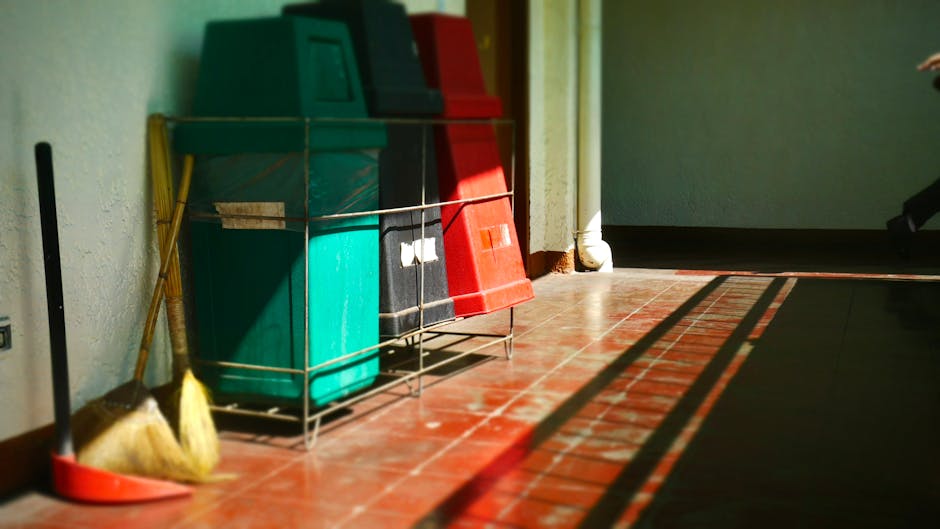
Room by room guide to clearing household rubbish

If your home has started to feel heavier than it should, you are not imagining it. A spare chair that no one uses, a broken lamp waiting "for later", a stack of old packaging in the hallway, and suddenly the place feels cramped. This Room by room guide to clearing household rubbish is designed to help you deal with that mess in a sensible, calm way - one space at a time, without turning the whole house upside down.
Whether you are clearing after a move, tackling a long-overdue reset, or just trying to reclaim the kitchen floor, the best approach is usually not to empty everything at once. It is to work room by room, sort with intention, and separate what can be reused, recycled, donated, or removed. Simple in theory. Not always simple in practice, as anyone who has tried to "just tidy the loft" on a Saturday afternoon will know.
Below, you will find a practical method, room-specific advice, common mistakes to avoid, and a straightforward checklist you can actually use. There is also guidance on disposal options, safety, and UK best practice, because rubbish clearance is one of those jobs where the details matter more than people think.
- Why clearing household rubbish matters
- How the room-by-room method works
- Key benefits and practical advantages
- Who this is for and when it makes sense
- Step-by-step guidance
- Expert tips for better results
- Common mistakes to avoid
- Tools, resources and recommendations
- Law, compliance, standards and best practice
- Options and comparison table
- Case study or real-world example
- Practical checklist
- Conclusion
- Frequently asked questions
Why Room by room guide to clearing household rubbish Matters
Household rubbish builds up in a way that is easy to miss. One broken bedside table becomes two. A bag of "keep" items gets shoved under the stairs. Old takeaway containers, packaging, worn-out toys, dead batteries, and random cables all start accumulating. Before long, the clutter is doing more than taking up space - it is making everyday life harder.
Room-by-room clearing works because it creates a clear boundary. You are not facing the entire house at once, which is where most people freeze. You are just dealing with one contained area, one task, and one visible result. That makes the job feel manageable, and frankly, more likely to get finished.
There is also a practical side. Different rooms generate different waste streams. Kitchens tend to produce packaging and food-related waste. Bedrooms collect clothes, old bedding, and electronics. Garages and lofts often hold bulky items, broken storage, and half-forgotten household leftovers. Handling each space separately helps you sort correctly the first time, rather than moving the same pile from room to room.
And let's face it, clearing rubbish has a knock-on effect. A cleaner home is easier to clean, easier to use, and easier to relax in. You notice it most in the small moments: walking through the hallway without sidestepping things, finding the chopping board when you need it, opening a cupboard without items falling out like a badly built prank.
How Room by room guide to clearing household rubbish Works
The method is simple enough, but the discipline is in the follow-through. You start with one room, remove all obvious rubbish, then sort remaining items into sensible categories. After that, you decide what needs to be kept, recycled, donated, sold, or disposed of through the proper route.
A good room-by-room clearance usually follows this rhythm:
- Choose one room or zone. Keep the scope small enough to finish in one session if possible.
- Remove visible rubbish first. Loose packaging, broken items, old papers, food waste, and obvious junk go out immediately.
- Sort what remains. Keep, recycle, donate, repair, and dispose.
- Deal with bulky or awkward items. These need a separate plan, especially if they are heavy or difficult to move.
- Clean the space before putting anything back. There is no point returning clutter to a dusty shelf.
In practice, the method is part planning, part decision-making. The trick is to avoid creating a "maybe" pile that lives on for months. We all know the one. It has good intentions. It does not have a deadline.
If your clearance is bigger than a standard tidy-up, it can help to think in terms of categories as much as rooms. For example, you might clear a bedroom but also set aside items that need flat clearance, loft clearance, or garage clearance depending on where the bulk of the rubbish has built up.
Key Benefits and Practical Advantages
The main benefit is control. Instead of a huge, stressful "whole-house" job, you break the work into digestible steps. That means less avoidance, less procrastination, and usually a better final result.
Here are the practical advantages people tend to notice quickly:
- Less overwhelm: one room feels possible; a whole house can feel impossible.
- Faster visible progress: finishing a room gives you momentum.
- Better sorting: you are more likely to recycle or reuse properly when items are grouped sensibly.
- Safer spaces: fewer trip hazards, fewer blocked walkways, fewer items stacked unsafely.
- More accurate disposal: bulky items, electricals, and mixed waste can be handled correctly.
- Cleaner home routines: once clutter is gone, cleaning and organising become much easier.
There is another benefit that is easy to overlook: decision fatigue drops. If you spend an entire day making tiny choices about every object in the house, you will get tired and start making sloppy calls. Room-by-room work gives your brain some breathing room. It sounds minor. It is not.
| Approach | Best for | Pros | Watch-outs |
|---|---|---|---|
| Room by room clearance | Most homes, regular resets, decluttering with rubbish removal | Focused, manageable, easier to complete | Can take longer if you hop between rooms |
| Whole-house blitz | Urgent deadlines, move-out situations | Fast initial reduction in clutter | Easy to burn out, poor sorting risk |
| Bulky-item first | Homes dominated by furniture or oversized waste | Creates immediate space | Smaller rubbish can still build up if ignored |
| Professional clearance | Large volumes, time pressure, heavy lifting | Efficient, less physical strain, quick removal | Needs budget and the right provider |
Who This Is For and When It Makes Sense
This approach is useful for a wide range of households. If you live in a compact flat, a room-by-room plan helps you reclaim storage and avoid turning the whole place into a temporary dumping ground. If you live in a family house, it helps you keep control of the mess without trying to solve everything in one exhausting session.
It makes particular sense if you are:
- moving home and need to clear before handover
- sorting after a renovation or decorating project
- dealing with years of accumulated odds and ends
- preparing a property for sale or letting
- helping a relative clear a house respectfully and practically
- trying to reduce clutter after a change in lifestyle or household size
In London, this often comes up in flats where storage is tight and access can be awkward. A hallway can become the place where everything lands, and then the hallway stops working as a hallway. You know the feeling. No one wants to step over a printer box every morning just to make toast.
If you are clearing in a larger property or handling a more substantial load, some people also look at home clearance, house clearance, or waste clearance as the next step when the job is bigger than normal household sorting.
Step-by-Step Guidance
The best room-by-room system is the one you can actually follow. Keep it plain. Keep it repeatable. No fancy methods required.
1) Start with a quick walk-through
Take five minutes and note which rooms have the most rubbish, which items are bulky, and which areas create the biggest safety issue. If something is blocking a fire exit, the job gets priority. Common sense first, perfection later.
2) Gather basic sorting supplies
Before you begin, have bags, boxes, gloves, tape, labels, and a marker pen ready. You do not need a fancy kit. What you do need is a way to avoid piles spreading across the room like they have opinions.
3) Work one room at a time
Choose the easiest room for a first win, or the room causing the biggest annoyance. Sometimes that is the spare room, sometimes it is the kitchen corner with all the dead appliances. Either way, finish one space before starting another.
4) Use simple sorting categories
Keep the categories clear:
- Rubbish: broken, contaminated, unusable items
- Recycling: items accepted in your local recycling stream
- Donate or pass on: usable items in decent condition
- Repair: items worth fixing soon, not "one day"
- Bulky disposal: large items that need collection or special handling
If an item is neither useful nor wanted and it has sat untouched for months, be honest with yourself. That old cable from a device you no longer own? It is probably not destined for a glamorous second act.
5) Handle one room's special waste properly
Different spaces need different thinking. In a kitchen, separate food waste and packaging early. In a bedroom, focus on old clothes, broken storage, and bedding. In a bathroom, check for expired toiletries and small broken fittings. In a garage or loft, expect heavier, dustier, and more awkward materials. Gloves help here. So does a strong dose of realism.
6) Remove bulky items before smaller leftovers
Bulky items take up the most space and often cause the most stress. Once they are out, the rest of the room usually becomes easier to sort and sweep. Furniture, mattresses, old white goods, and broken shelving often need a separate collection route. For instance, you may need something like sofa collection, mattress collection, or white goods recycling depending on what you are clearing.
7) Clean and reset the space
Once rubbish is out, sweep, vacuum, wipe surfaces, and check corners, skirting boards, and under furniture. You would be surprised how much better a room feels when the rubbish smell is gone and there is actual floor showing again.
8) Decide what stays and where it lives
Return only the items you genuinely use. Give everything a home. If there is no home, the item is probably not right for the space. That is the test. Not glamorous, but effective.
Expert Tips for Better Results
A good clearance is not just about removing waste. It is about making the next week easier than the last one. A few small habits help a lot.
- Set a timer. Twenty or thirty minutes is often enough to create momentum without draining you.
- Finish the bag. Half-full rubbish bags left in corners become tomorrow's problem.
- Sort by destination, not emotion. Decide where each item is going, not whether you feel guilty about it.
- Keep a "leave the house" zone. Place collection items together so they do not drift back into the room.
- Take a before photo. Not for social media. Just for motivation when the job feels endless.
- Deal with paperwork separately. Old papers and receipts can slow everything down.
One practical observation from real clearance jobs: the room that looks easiest is not always the room that clears fastest. Sometimes the bedroom has fewer items but more decisions. Sometimes the kitchen is full of small rubbish, which is tedious but simple. It is worth choosing your first room strategically, especially if you want momentum rather than drama.
Small win first, then the bigger stuff.
If you are dealing with a lot of mixed waste, it may help to look at broader removal options such as rubbish removal or bulk waste collection for items that are awkward to shift in a normal bin routine.
Common Mistakes to Avoid
Most household rubbish clear-outs go wrong in the same few ways. The good news is that they are avoidable.
- Starting too many rooms at once. This creates piles everywhere and no real progress.
- Keeping "maybe" items. If it has no real use and no real plan, it is clutter in disguise.
- Ignoring bulky waste. Big items can block the whole job if you leave them to last.
- Mixing rubbish with donations. Once they are mingled, sorting gets harder and slower.
- Skipping safety. Sharp edges, heavy lifting, mouldy materials, and old appliances need care.
- Using the wrong disposal route. Electricals, mattresses, and some large items often need specific handling.
Another common mistake is underestimating the emotional side. Clearing a room can drag up memories, irritation, or just plain decision fatigue. That is normal. Pause if you need to. Have a glass of water. Walk away for ten minutes. Then come back and continue. Not every job needs to be won in one breathless rush.
Tools, Resources and Recommendations
You do not need specialist equipment, but a few basics make the job smoother.
- Heavy-duty bin bags for mixed rubbish and small waste
- Reusable boxes or crates for sorting and donations
- Gloves for lofts, garages, gardens, and dusty spaces
- Labels or tape to mark keep, recycle, donate, and dispose
- Cleaning cloths and a vacuum for the final reset
- A torch for dark corners, under beds, and loft access areas
- Trolley or sack truck if you are moving heavier items
For larger household waste, you may also want to compare collection routes. Some people use council services for certain items, while others prefer a private pickup when they need speed or help with lifting. If you are clearing furniture specifically, pages like furniture clearance, furniture disposal, and bulky waste collection may be useful depending on the item and volume.
If sustainability matters to you - and it probably should - ask how items are reused or recycled where possible. That is especially relevant for home appliances, metal items, and reusable furniture. A responsible clearance should not just disappear everything into a black hole.
Law, Compliance, Standards and Best Practice
For household rubbish clearance in the UK, the practical rule is simple: waste should be handled and disposed of responsibly, using proper routes and reputable services. Councils have their own collection rules, and some items are better taken to authorised facilities or collected through approved services. If you are unsure about a specific item, check the local expectations before putting it out with general waste.
In day-to-day terms, good practice usually means:
- separating recyclable items where possible
- keeping electrical items out of mixed rubbish when special handling is needed
- not overfilling bags or leaving loose waste exposed
- choosing a provider that explains where waste goes
- making sure any company you use is properly insured and follows sensible health and safety procedures
It is also worth remembering that some items may need extra caution. Fridges, freezers, mattresses, sofas, and broken appliances can have specific disposal or recycling routes. Hazardous materials are a different category altogether and should never be treated like ordinary household waste.
For peace of mind, many people also look for providers that publish clear details about insurance and safety, health and safety, and recycling and sustainability. That kind of transparency matters. It is not flashy, but it is reassuring.
Options, Methods, or Comparison Table
There is no one perfect method for every home. The right option depends on volume, time, access, and how much lifting you want to do yourself. Here is a plain-English comparison.
| Option | Best for | Advantages | Limitations |
|---|---|---|---|
| DIY room-by-room clearance | Light to moderate household rubbish | Low cost, flexible, full control | Time-consuming, physical effort required |
| Council collection | Selected bulky items or scheduled waste | Useful for certain items, familiar process | May involve wait times and item limits |
| Private clearance service | Large, mixed, or heavy household waste | Fast, convenient, less lifting for you | Costs more than doing it yourself |
| Hybrid approach | Medium-sized jobs with mixed waste types | Balanced cost and convenience | Needs a bit of planning up front |
If your clearance includes furniture, white goods, or awkward household items, the hybrid approach is often the sweet spot. You can sort the small stuff yourself and bring in help for the bulky remainder. That way you keep the cost under control without turning your week into a lifting contest.
Case Study or Real-World Example
A fairly typical example: a two-bedroom flat in London had rubbish building up in the spare room, hallway cupboard, and kitchen. Nothing dramatic at first glance. But the spare room held broken shelves, old packaging from furniture deliveries, a mattress that had already been replaced, and several bags of mixed household items. The hallway cupboard had expired cleaning products and duplicate kitchenware. The kitchen had awkward electrical bits, old bins, and a stack of items no one had used in years.
The approach that worked best was not to start with the most emotional room. It was to clear the hallway cupboard first. Why? Because it was small, quick, and gave immediate momentum. Then the kitchen was sorted into small waste, recyclables, and electrical items. The spare room came last, with bulky items removed first so the floor could actually be seen.
By the end, the flat felt different in a very ordinary but important way. More breathable. Easier to clean. Less mentally noisy. That is the thing people often describe after a good clearance - not just "tidier", but calmer.
In jobs like that, services such as house clearance, flat clearance, and rubbish clearance can be helpful when the load is more than a normal bin run can handle.
Practical Checklist
Use this checklist before you start and again at the end. It keeps the job grounded.
- Pick one room or zone only
- Gather bags, boxes, gloves, tape, and labels
- Decide where recycling, donation, and rubbish will go
- Remove obvious rubbish first
- Sort mixed items into clear categories
- Separate bulky items from small waste
- Check for electricals, sharp objects, or heavy items
- Use the correct disposal route for special items
- Clean the space before putting anything back
- Finish by removing all filled bags and boxes from the room
Quick reminder: if you cannot clear a room in one go, stop at a logical point and leave the room tidy enough to restart easily. That tiny bit of discipline saves a lot of frustration later.
Get a free quote today and see how much you can save.
Conclusion
A room-by-room approach to clearing household rubbish works because it respects how real homes actually function. Clutter does not appear in one tidy pile; it spreads slowly, room by room, until the house starts feeling smaller than it is. Working in stages gives you back control without overwhelming you.
Start with one space. Sort honestly. Deal with bulky items separately. Clean as you go. And do not wait for the perfect weekend, because, truth be told, the perfect weekend has a habit of never arriving. A steady plan beats a dramatic burst almost every time.
Clear one room well, and the rest of the house gets easier. That is the quiet win here. Small progress, properly done, adds up faster than most people expect.
Frequently Asked Questions
What is the best way to start clearing household rubbish room by room?
Start with the easiest or most contained room, gather sorting supplies first, and remove obvious rubbish before making decisions about keep, recycle, donate, or dispose. A small win builds momentum.
Should I clear one room fully before starting another?
Yes, in most cases that is the best approach. Finishing one room gives you a clear sense of progress and helps stop clutter from spreading into every corner of the house.
How do I decide what counts as rubbish and what should be kept?
Ask whether the item is useful, repairable, and likely to be used soon. If the honest answer is no, and it has been sitting untouched for ages, it is probably clutter rather than a keeper.
What should I do with bulky household items?
Bulky items like sofas, mattresses, fridges, and old furniture usually need a separate collection route. Some can be recycled or collected through specialist services, while others may need council or private removal.
Can I put all household rubbish in one bag?
You can for some mixed waste, but it is better to separate recyclables, electrical items, and reusable goods where possible. Proper sorting can make disposal easier and more responsible.
How long does a room-by-room clearance usually take?
It depends on the size of the room and how much has built up. A small room might take under an hour, while a loft or garage can take much longer. The important part is not to rush so much that sorting becomes sloppy.
Is it worth using a professional rubbish removal service?
It often is if you have heavy items, a large volume of waste, limited time, or awkward access. It can save a lot of lifting and reduce the stress of disposal logistics.
What items need extra care during household rubbish clearance?
Electricals, fridges, freezers, mattresses, sharp objects, and any suspicious or potentially hazardous items need careful handling. If you are unsure, treat the item cautiously and check the correct disposal route.
How do I avoid clutter coming back after I clear a room?
Give everything a specific place, avoid keeping "maybe" items, and do a quick reset every so often. The aim is not perfection. It is preventing the room from becoming a holding area again.
What is the difference between rubbish removal and waste clearance?
In everyday use, the terms overlap a lot. Rubbish removal usually refers to taking away unwanted household waste, while waste clearance can sound broader and may include larger or more varied loads. The actual service depends on the provider.
Do I need to follow any UK rules when getting rid of household rubbish?
Yes, waste should be disposed of responsibly and through appropriate channels. Councils have their own collection rules, and certain items need specialist handling. If you are using a company, it should be properly insured and follow good safety practices.
What is the easiest room to clear first?
Usually the easiest room is the one with the fewest emotional decisions and the most obvious rubbish. For many people, that is a spare room, hallway cupboard, or part of the garage. Start where you can finish.