Health and Safety Policy for Bills Waste
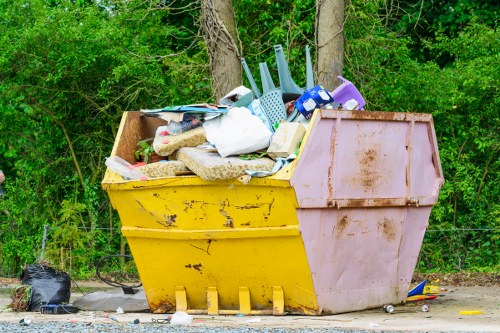 Purpose and commitment: Bills Waste is committed to protecting the health, safety and wellbeing of all employees, contractors and members of the public who may be affected by our operations. This policy sets out the core principles that underpin our waste management and removal activities. The Bill's Waste management team will ensure resources are allocated to maintain safe working systems, prevent injuries and reduce environmental risks associated with waste handling.
Our commitment extends across all BillsWaste services and activities, including collection, transport, sorting and disposal. We adopt a proactive approach to hazard identification and risk control, and we emphasise continuous improvement. Everyone working for Bills Waste is expected to contribute to a safe workplace by following procedures, reporting hazards, and participating in safety programs.
![A sidewalk scene in a suburban area shows several large, blue and gray plastic rubbish bins placed along the kerbside curb, some of which are overflowing with waste items. A flat, black sweeping brush with a long handle rests against one of the bins, indicating cleaning or rubbish collection activity. The bins contain a mixture of household waste, including plastic bottles and packaging, with some waste spilling onto the paved footpath. Neatly trimmed grass and small trees line the street, with parked cars visible further back on the right side. The environment is bright and sunny, with natural daylight illuminating the scene, suggesting a typical residential neighbourhood around the postcode area of [POSTCODE], close to [TOWN]. The presence of the bins and sweep tools reflects rubbish removal services, such as those offered by Bills Waste, operating regularly in this locality. The overall setting emphasizes cleanliness and waste management efforts in the community.](/pub/_photos/rubbish/f1348046488.jpg)
Scope and application
This policy applies to all operational areas where the Bills Waste team carries out work: depots, transfer stations, vehicle operations, customer sites where services are performed, and any temporary worksites. It covers routine and non-routine tasks, use of machinery and vehicles, manual handling, working at height, confined space entry, and handling of potentially hazardous materials. The policy complements specific operational procedures and risk assessments that are maintained for each activity.Roles and responsibilities
Management leadership is central to delivering safety outcomes. Managers and supervisors at Bills Waste hold responsibility for ensuring controls are implemented, staff receive adequate supervision, and that safety standards are monitored. Employees and contractors must work safely, attend required training and report incidents and near misses without delay. Shared responsibility underpins a collaborative safety culture across all levels.Specific responsibilities include:
- Managers: Provide resources, maintain systems, and lead reviews of safety performance.
- Supervisors: Ensure safe work practices are followed and risk assessments are current.
- Workers: Use personal protective equipment, follow procedures, and report hazards.
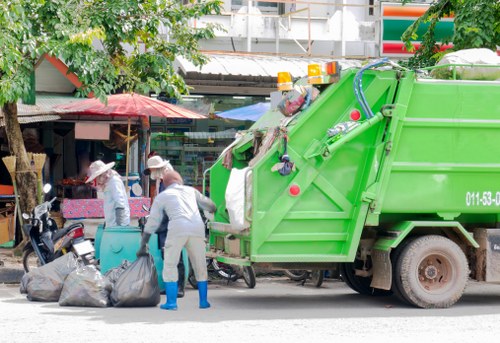 Training and competence: Bills Waste will identify training needs for all roles and deliver induction and refresher programs to build competence. Employees will be trained in safe driving, vehicle loading, manual handling, correct use of lifting equipment and containment measures for hazardous loads. Training records will be kept and reviewed to ensure currency and effectiveness.
Risk assessment and control are fundamental. Prior to work starting, the company requires site-specific assessments to identify hazards, evaluate risks and implement control measures following the hierarchy of controls. Wherever possible, hazards will be eliminated; where not, they will be substituted, isolated, or controlled through engineering, administrative measures and appropriate PPE.
Safe vehicle operations are a priority for Bills Waste services. Vehicles will be maintained to manufacturer standards, pre-start checks performed, and drivers trained in defensive driving and load security. Loading and unloading procedures will minimise manual handling and ensure waste is contained to prevent spillages. Equipment inspections and scheduled maintenance are recorded and audited regularly.
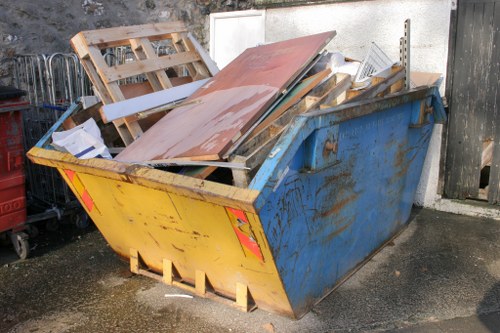 Handling hazardous materials: Special precautions are required for hazardous or non-standard waste streams. Bills Waste will classify waste types, segregate hazardous materials, and ensure appropriate containment, labelling and transport controls. Emergency spill kits and clear handling procedures will be available where hazardous materials may be present, and staff will be trained in safe response measures.

Incident reporting and emergency response
All incidents, accidents and near misses must be reported promptly so lessons can be learned and controls improved. Investigations will be conducted proportionately to identify root causes and implement corrective actions. Bills Waste maintains emergency response plans for fire, spill, vehicle incidents and other foreseeable emergencies; these plans are tested and updated periodically.Monitoring, review and continuous improvement
Performance is monitored through inspections, audits, incident trends and key performance indicators. Senior management will review safety performance regularly and ensure the policy remains effective. Where deficiencies are identified, targeted action plans will be implemented and progress tracked until completion.Employee engagement is central to ongoing improvement. Bills Waste will encourage open communication about safety concerns, support safety committees and involve workers in risk assessments and the development of safe systems of work. The policy will be reviewed at least annually and revised as operations change or new risks emerge.
Conclusion: By adhering to this Health and Safety Policy, Bills Waste aims to protect people, property and the environment while delivering reliable waste management services. Commitment, clear responsibilities, effective controls, training and continuous review will support a strong safety culture across all our operations.