Bills Waste rubbish removal in London
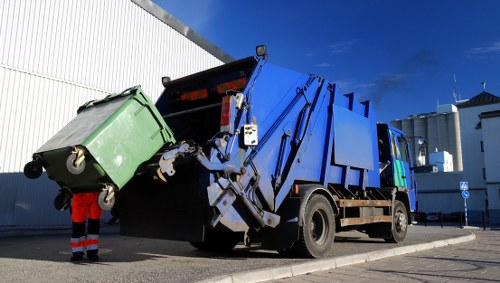
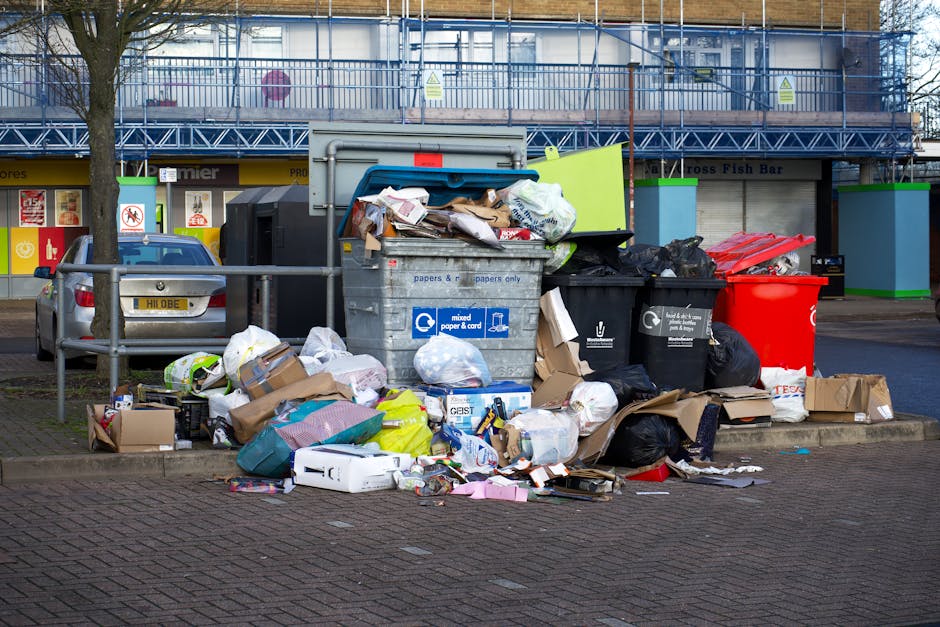
Bills Waste provides rubbish removal in London for homes, landlords and businesses that need unwanted items taken away in a straightforward, ordered way. The service covers general household rubbish, bulky items, mixed waste and clearances that need a practical collection rather than a series of separate trips. If you are dealing with accumulated waste, a single awkward item or a fuller clear-out, we focus on removing it efficiently and leaving the area ready for its next use.
Our approach is built around clear identification of the waste, sensible handling on site and responsible disposal. That means the right collection is matched to the material, the access and the volume involved, rather than using a one-size-fits-all method. For customers comparing options, our service is intended to reduce disruption, keep the process simple and make the next step clear. If you need to move quickly from planning to action, start with the service pages and then request a quotation when you are ready.
We also support customers who need different waste types handled separately, such as furniture, garden material, appliances or builders’ debris. Where it helps, the service can be organised around a specific item category or a broader clearance, so the right disposal route is used from the outset. View pricing and quotes information if you want to understand how enquiries are usually prepared before choosing the most suitable collection.
What our rubbish removal covers
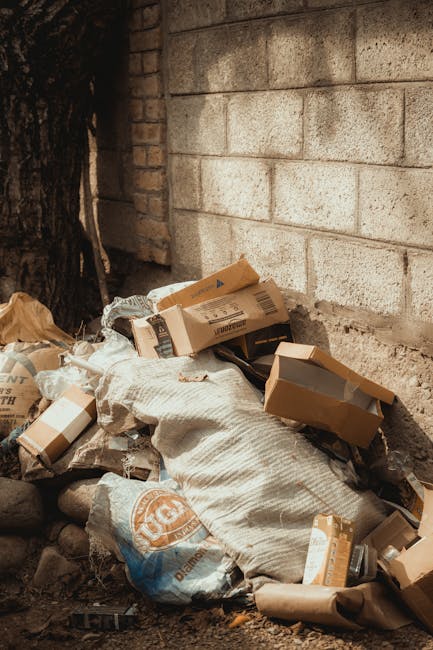
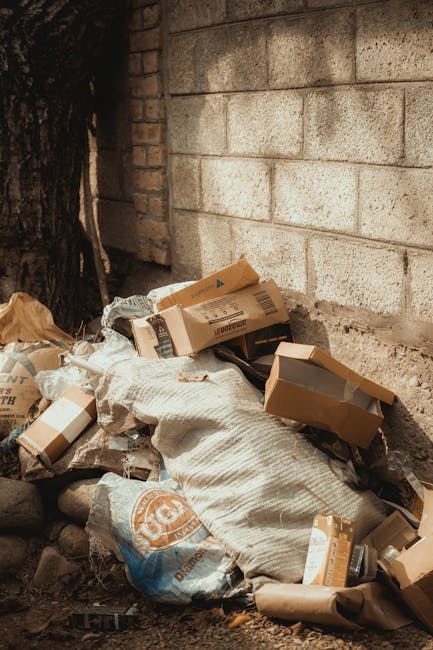
The main service is designed for unwanted items that are too much for a normal bin round or too awkward for a quick DIY trip. Typical collections can include mixed household rubbish, old household contents, bagged waste and bulky objects that need lifting and loading by hand. We can also handle clearances where a property has several different waste streams, as long as the load can be described clearly enough for the collection to be arranged properly.
Where the waste is mainly a single category, choosing the right page can keep the request simple. For example, a sofa, mattress or fridge may be easier to discuss as a specific collection rather than a broader mixed load. That gives a clearer picture of the item size, the likely access and any handling issues. For larger or more varied jobs, the broader waste collection pages are useful starting points, especially when the material includes items that are not easily boxed or bagged.
Useful collection types include:
- household rubbish and general domestic waste
- bulky furniture and worn-out household items
- mixed waste from decluttering or moving out
- single-item or multi-item disposal where lifting is needed
Bulky items and household clear-outs

Bulky items often need more thought than lighter rubbish because they may be heavy, awkward to turn, or too large for narrow stairs and doorways. Our furniture-related pages are useful when the load includes chairs, tables, wardrobes or other furnishings that are still intact but no longer needed. Handling can then be planned around the size and condition of each item rather than assuming everything can be treated the same way.
When the job is a room-by-room or property-wide clear-out, a dedicated clearance page is often the best match. That is because a home or flat clearance may include a mixture of items rather than one obvious waste type, and the collection needs to reflect that broader scope. Home clearance is a suitable destination if you are clearing a full property or several rooms and want the waste removal handled in one organised visit. For smaller properties, a flat clearance page may better reflect the access and layout involved.
Some customers only need a single item removed, while others want several bulky pieces dealt with at the same time. The practical difference is usually in access, lifting and the total volume rather than simply the number of objects. A clear description helps us judge whether it is best approached as one item, a mixed bulky load or a fuller clearance. If you are unsure which route fits, the safest starting point is to note the main items and then ask for a quotation based on the actual load.
Room clearances for lofts, garages and homes
Clearances are often the most efficient option when waste is mixed with stored belongings or left-over household contents. A loft, garage or spare room can hold a combination of broken items, packaging, old furniture and general rubbish, and each area may need a slightly different handling approach. These jobs are best treated as organised removals rather than simple pick-ups, because the main task is often sorting what is to go and what is to stay.
For storage-heavy spaces, the aim is to create a workable plan around access and volume. A loft may involve stairs and limited headroom, while a garage can contain heavier items and more awkward stacking. Loft clearance is the relevant page if the waste is mainly above the main living space, while garage clearance suits collections from storage areas, tools and mixed household clutter. For a fuller domestic reset, house clearance gives a broader option when more than one room or level is involved.
Where the work is more straightforward, customers can keep the request brief by listing the main categories only: furniture, bagged rubbish, appliances or mixed stored items. That is usually enough to produce a useful quotation without overcomplicating the enquiry. A concise list also makes it easier to separate the pieces that need specialist handling from those that can be loaded in the same run. When the waste is spread across several rooms, the most useful description is the one that reflects how it is stored now.
Garden and building waste removal

Outdoor and trade waste can differ from normal household rubbish because the material is often heavier, dirtier or more irregular in shape. Garden waste may include branches, clippings, soil, broken outdoor furniture and general tidy-up debris, while builders’ waste can include plasterboard, timber offcuts, packaging and mixed renovation leftovers. The right approach depends on the material, the amount and whether the load is relatively clean or contains a range of mixed debris.
Garden clearance is a practical choice for green waste and outdoor clutter, especially where a garden has been trimmed back or fully tidied. If the job comes from renovation or light construction rather than landscaping, builders’ waste clearance is the more suitable page. It helps distinguish construction debris from normal rubbish and keeps the enquiry focused on the specific waste type rather than a general catch-all description.
For some properties, outdoor and interior waste appear together in the same collection. In those cases the best result usually comes from describing the full mix honestly so the load can be matched to the correct service. It is also worth noting whether items are loose, bagged or stacked, because that affects how the work is planned. If you are preparing a request, take a moment to describe access, the kind of waste and any unusually heavy pieces so the quotation can reflect the real job.
Appliances, white goods and large items
Some waste removal jobs centre on individual pieces that are awkward to move or dispose of through ordinary household arrangements. Fridges, washing machines, mattresses and larger household items can all need different handling, especially when weight, size or internal materials affect disposal. Keeping these categories separate where appropriate helps the service stay accurate and reduces the risk of over- or under-describing the collection.
Fridge disposal is relevant where a refrigerating appliance needs careful removal and appropriate treatment. White goods recycle suits other domestic appliances that are no longer wanted but still need to be dealt with in a proper disposal route. For beds and mattresses, the specific pages bed disposal and mattress disposal are available so the item type is described more precisely from the outset.
When several large items are being removed together, it is often useful to think about them as a group of bulky objects rather than as separate short jobs. That is especially true if the items are in the same room or need the same access route. If you are preparing an enquiry, the main question is usually whether the collection is item-specific or mixed. Once that is clear, the next step is simply to ask for a quotation and allow the service to be matched to the actual load.
Domestic and commercial waste solutions
Not every collection is a household job. Offices, shops and other workplaces can produce bulky waste, unwanted furniture and mixed items that need a professional removal rather than ad hoc disposal. Business waste is often best organised around the type of premises, the access available and the nature of the items being cleared, especially when the job needs to be carried out with minimum interruption to day-to-day activity.
Business waste removal is the clearest route for workplace collections, while office clearance suits desks, chairs, storage and other office contents that are no longer required. If the load is mixed and the exact mix is still being decided, the broader rubbish collection pages can be useful as a starting point before a more specific choice is made. That way, the request can reflect whether the work is a clearance, a disposal task or a general collection.
Commercial customers often need the job described with a little more care because access, building rules and the arrangement of desks or stock can affect the removal. A concise note on what is present, where it is located and whether it is all to go helps the quotation process move cleanly. If the collection is part of a move, refurbishment or handover, mention that in your enquiry so the right service page can be matched to the actual premises and contents.
Choosing the right waste page
When several service names seem to fit, the best choice is usually the one that describes the waste most directly. A furniture collection page makes sense for furnishings; a garden page suits outdoor debris; and a clearance page is often better when the job is broader and more mixed. This approach keeps the enquiry focused and helps avoid unnecessary back-and-forth over what is included. It also means the service can be planned around the actual load rather than an assumed one.
In practice, the clearest request usually answers three questions: what needs removing, where it is located and whether there are any access issues. That is enough for most quotations, particularly when the waste is easy to identify. If you have photos or a short inventory, those can help, but they are not the only way to explain the work. Clear wording is often just as useful as a long list, especially if the main items are already obvious from their category or room.
Common factors that can affect how the job is described include:
- the type of material or item
- the approximate volume or number of pieces
- stairs, narrow access or parking considerations
- whether the items are loose, bagged, stacked or dismantled
About London
London is a city shaped by layers of history, from its Roman beginnings to its role as the capital of a major global state. The River Thames remains a defining feature, curving through the centre and linking districts that developed at different speeds and for different purposes. North of the river, south of the river and in the Docklands, the urban grain changes repeatedly, with Georgian terraces, Victorian civic buildings, interwar estates and contemporary towers all appearing within a relatively short distance of one another. That variety gives the city its unmistakable patchwork feel. Westminster contains Parliament, Buckingham Palace sits within the City of Westminster, and the City of London preserves the ancient square mile at the heart of the modern metropolis. The West End adds theatres, shops and long-established streets, while boroughs such as Camden, Southwark, Hackney and Kensington & Chelsea each bring their own local character. London’s transport history is equally visible, from the early Underground network to the bus routes and rail links that stitch the capital together. The city also has substantial green space, including Hyde Park, Regent’s Park, Hampstead Heath and Richmond Park, offering a contrast to the dense built environment. Museums, galleries, markets, music venues and sports grounds contribute to a cultural life that changes from neighbourhood to neighbourhood. Older riverside warehouses, canal-side paths and regenerated dockland schemes sit alongside ceremonial spaces, squares and shopping streets, making London a place where different eras remain readable in the same landscape.
Quotation details and job planning

Pricing for rubbish removal usually depends on the volume, the item type, the ease of access and how much handling is involved. A single bulky object can be simple if it is easy to reach, while a smaller-looking load can take longer if it is spread across several floors or stored in tight spaces. Because of that, the most useful enquiry is one that describes the waste clearly rather than one that only gives a vague overall impression.
Where a job includes mixed materials, mentioning the different categories helps the quotation reflect what is actually being cleared. Furniture, appliances, garden waste and renovation debris may all belong in one removal, but they are not identical in how they are handled. If you are unsure what to include, list the main items and add any complications such as stairs, distance from the road or restricted access. That is enough to build a sensible response without overloading the request.
If you are comparing service pages, use them to narrow down the main job before asking for a price. A focused description is usually the most efficient way to move forward, whether the waste is domestic, commercial, bulky or a mixture of several types. For the next step, prepare a simple description of the items and then ask for a quotation so the collection can be matched to the load and the location.
Recycling and responsible disposal
Responsible disposal is part of a credible rubbish removal service because not everything should be treated as mixed general waste. Certain items can be separated for recycling, while others need to be directed to the proper disposal stream because of their material, condition or contents. That is particularly relevant for appliances, metals, timber, mattresses and other large household items that may require different routes once collected.
Recycling and sustainability explains the approach to handling reusable and recyclable material. Where the waste is simpler, the key point is still the same: items are removed with the aim of using the most suitable disposal route available. If you are planning a job that includes several different waste types, it is worth stating that up front so the collection can be organised with the right handling in mind. This is especially helpful for mixed domestic clear-outs and refurbishment waste.
Customers often want a straightforward answer about what can go together and what should be separated. The practical rule is to describe the collection honestly and let the service category do the sorting. That keeps the request accurate and avoids accidental omissions. When you are ready, the simplest next step is to send the details that matter and ask for a quotation based on the actual waste.
Requesting a quotation
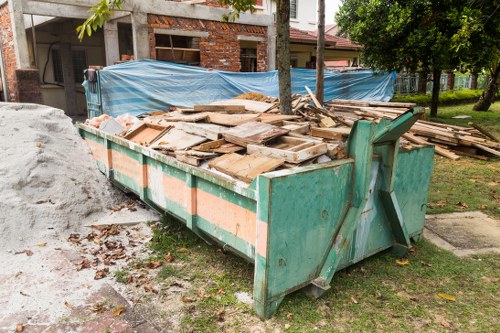
To request a quotation, start with the main waste type and add any details that affect the removal. A short note covering the item category, the approximate amount and the access conditions is usually enough to begin. If there are several different waste types, group them in a sensible order so the most significant parts of the job are clear at a glance. That helps keep the process quick and avoids confusion about what is being collected.
Useful supporting details can include whether the load is on one floor or several, whether anything is especially heavy, and whether you need a clearance or a more targeted item collection. You do not need to write a long explanation if the job is simple. However, if the collection includes mixed furniture, appliances or debris, a few precise words can save time later. Clarity now makes the quotation easier to match to the work later.
If you are ready to move forward, choose the most relevant service page, review the details that matter and then make an enquiry for a quotation. You do not need to overstate the job or pad the description; the most helpful request is usually the one that reflects the waste as it really is. When everything is clear, the next step is simple: contact us for a quotation.