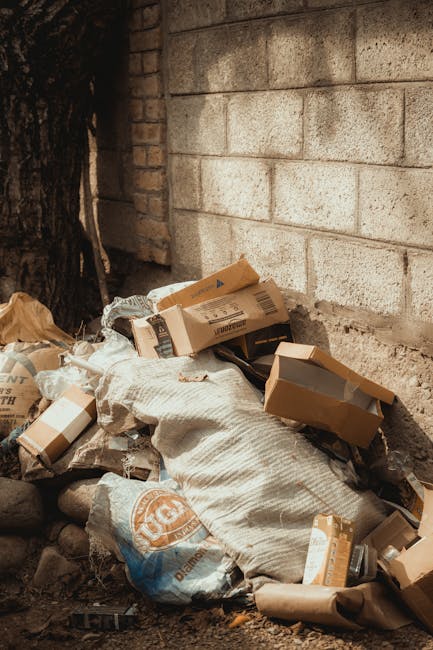
Rubbish Removal Costs UK: What Influences Your Quote
If you've ever stared at a pile of old furniture, renovation debris, or garden waste and wondered why one rubbish removal quote feels fair while another seems oddly high, you're in the right place. Rubbish Removal Costs UK: What Influences Your Quote is rarely about one simple price tag. It's usually a mix of volume, waste type, access, labour, disposal rules, and how quickly you need the job done. Truth be told, that's what makes quotes feel confusing at first glance.
This guide breaks down the real-world factors behind rubbish removal prices in the UK, so you can compare quotes properly, avoid hidden extras, and choose a service that actually fits the job. We'll also cover practical ways to reduce your cost, what good quotes should include, and the compliance points that matter when waste is being handled, transported, and disposed of.
For readers who want to compare pricing directly, it can help to review a provider's pricing and quote guidance alongside the service details. And if sustainability matters to you, have a look at their recycling and sustainability approach too. A quote is never just a number. It tells you a lot about what you're actually paying for.
Why Rubbish Removal Costs UK: What Influences Your Quote Matters
Waste clearance is one of those services where the visible part of the job can be misleading. You see a sofa, a few black bags, maybe some plasterboard after a bathroom rip-out. But the quote is based on much more than what's sitting on the driveway. It reflects the full chain of work: loading, sorting, transport, transfer station fees, recycling checks, and final disposal.
That matters because a cheap-looking quote can become expensive if it excludes key elements. A proper quote should help you understand whether you're paying for labour, van space, wait time, difficult access, or specialist handling. If you don't know what drives the price, it's easy to compare apples with pears. And let's face it, most people only book rubbish removal a handful of times, so the pricing model doesn't always feel familiar.
It also matters for trust. Reputable waste carriers should be able to explain how they price jobs and where your rubbish goes. That transparency is part of a professional service, not a bonus. If a provider offers clear guidance on how quotes are built, it usually makes the decision easier and less stressful.
Expert summary: The cheapest quote is not always the best value. A good rubbish removal price should reflect the actual work, compliant disposal, and honest communication from start to finish.
How Rubbish Removal Costs UK: What Influences Your Quote Works
Most rubbish removal quotes in the UK are built from a few core pricing drivers. Some companies quote by load size, others by item, some by weight, and many use a hybrid approach. In practice, the final figure depends on how much waste there is, what it is, how easy it is to remove, and whether there are extra handling requirements.
The quickest way to think about it is this: the quote estimates the cost of turning your waste from a problem into a compliant disposal task. A pile of dry household clutter is one thing. A mixed load with timber, tiles, old mattresses, and a broken fridge is another. The second job takes more sorting, more labour, and sometimes more disposal categories. That's where pricing moves.
Photographs help a lot. Many firms can give a far more accurate estimate if you send pictures from different angles, ideally with something for scale, like a doorway or a standard bin. If the waste is in a garage, loft, rear garden, or upstairs flat, that matters too. Access is a real price factor, not a minor detail.
To be fair, some jobs sound small until the team arrives and realises the lift is out, the parking is tight, and the material is heavier than expected. That's when a quote may change. A decent company should explain any adjustment before work proceeds.
What usually goes into a quote
- Volume: how much space the waste takes in the van, or how many cubic yards are involved
- Weight: especially important for heavy materials like rubble, soil, tiles, or bricks
- Waste type: general household waste, garden waste, construction waste, bulky items, or mixed loads
- Access: stairs, distance from the vehicle, narrow entrances, basement locations, and parking constraints
- Labour: how many people are needed and how long the job will take
- Disposal route: recycling, transfer station handling, or specialist disposal
- Urgency: same-day, next-day, weekend, or timed collections may cost more
If you're comparing providers, it helps to check whether they outline their service standards and policies. Pages like health and safety information and insurance and safety details can tell you a lot about how seriously the company treats the job.
Key Benefits and Practical Advantages
A clear understanding of rubbish removal costs does more than save money. It helps you book the right-sized service, reduce delays, and avoid the odd sinking feeling when the van arrives and the price is higher than expected. Nobody enjoys that moment. Not on a rainy Tuesday, not ever.
Here are the main practical benefits of understanding what influences your quote:
- Better budgeting: you can estimate the likely price range before booking
- Cleaner comparisons: you can see which quotes are detailed and which are vague
- Fewer surprises: you'll know what could change the final price on the day
- Faster booking: you can provide the right photos and details up front
- Smarter waste sorting: separating heavy materials or special items can reduce complexity
- Less stress: you're not guessing what "all inclusive" really means
There's also a value angle many people miss: a slightly higher quote may include recycling, responsible disposal, loading labour, and proper handling of awkward items. That can be better value than a cheaper quote that later adds charges or sends waste somewhere you'd rather not support. In our experience, people usually care about the final total, but also want peace of mind that the waste won't become someone else's problem.
Who This Is For and When It Makes Sense
This topic matters to a broad mix of people. Homeowners clearing out old furniture after a move, landlords dealing with tenant leftovers, tradespeople finishing a renovation, and businesses removing office clutter all face the same basic question: what should this cost, and why?
It also makes sense if you're comparing rubbish removal against skip hire. For some jobs, a man-and-van clearance is easier because there's no permit to arrange, no skip occupying the driveway, and no need to load heavy waste yourself. For other jobs, a skip can still be the better option. It depends on timing, access, and how much help you need.
Typical situations include:
- End-of-tenancy clearances
- Garden waste and shed clear-outs
- DIY and renovation debris
- Garage, loft, or basement decluttering
- Bulky item removal, including sofas and white goods
- Office and commercial junk removal
If you're based in Greater London or the surrounding areas, local availability can matter too. A provider working across Central London, North London, or West London may price access and travel a little differently from a suburban job. The same applies in places like Watford, Woking, or Reading, where local logistics can shape the quote.
Step-by-Step Guidance
Getting a fair rubbish removal quote is easier when you prepare a little. Not loads of effort. Just enough to help the provider understand the job properly. Here's the process that tends to work best.
- Identify the waste type. Is it household clutter, garden waste, construction debris, mixed waste, or something more specialised?
- Estimate the volume. A few bags is very different from a roomful of furniture. Try to think in terms of van space, not just item count.
- Check the access route. Note stairs, narrow paths, restricted parking, shared entrances, or long carries from the street.
- List any awkward items. Mattresses, fridges, washing machines, wardrobes, rubble, plasterboard, and hazardous materials can all affect the price.
- Take clear photos. Include the full pile and a few close-ups. If there's a mixed load, show the mix.
- Ask what is included. Labour, loading, disposal, congestion charges, and recycling handling should be clarified.
- Check timing. Same-day or weekend collection may cost more than a standard weekday slot.
- Confirm the final quote before work starts. No guesswork, no awkward surprises.
A small but useful tip: if you can sort waste before the team arrives, do it. Separating clean wood, cardboard, metal, and general waste can make the job simpler. Sometimes that improves the quote. Sometimes it doesn't change much, but it nearly always helps the process go more smoothly.
Expert Tips for Better Results
After looking at a lot of clearance jobs over the years, a few patterns become obvious. The best quotes usually come from the clearest information. The worst jobs? They often begin with "it's just a few bits" and end with a van full of much more than a few bits. Happens all the time.
Use photos, not descriptions alone
Words like "some rubbish" or "a bit of garden waste" are too vague. Photos remove doubt. Send shots from the front and side, and if possible include a wider scene so the team can judge access and scale.
Be honest about mixed loads
Mixed waste usually costs more than clean, separated waste because it takes more sorting. If there's builder's rubble under the old wardrobe, say so. That honesty protects you from on-the-day pricing changes.
Ask about minimum charges
Even a small amount of waste can trigger a minimum collection fee. That's normal in the industry. What matters is whether the fee is explained clearly and fairly.
Think about timing
If your removal isn't urgent, flexible scheduling can sometimes help you avoid peak-time pricing. Midweek slots are often easier to secure. No big mystery there.
Choose a provider with transparent policies
It's worth checking the company's payment and security information and related trust pages before you book. A transparent operator is usually easier to deal with if anything changes on the day.
Consider recycling outcomes
A responsible service should aim to recycle usable materials where possible. If you want a provider that treats sustainability seriously, it's worth reading their recycling guidance. That won't always change the quote, but it can change the value of the service.
Common Mistakes to Avoid
There are a few classic mistakes that make rubbish removal cost more than it should. None of them are dramatic. They're the kind of little things people only notice once the van has already turned up.
- Not describing the waste properly: "general waste" is too broad if there's rubble, paint tins, or electricals mixed in
- Ignoring access issues: stairs, blocked driveways, and long carries matter more than many people expect
- Comparing quotes without checking inclusions: one quote might include labour and disposal, another might not
- Leaving everything to the last minute: urgent bookings often cost more
- Assuming all waste is treated the same: heavier or specialist waste can be priced differently
- Forgetting permits or shared access restrictions: relevant if a skip or restricted parking is involved
Another mistake is trying to hide awkward material in the hope of keeping the price down. In practice, it usually backfires. A professional crew will spot it quickly, and then the quote may need to be adjusted. Better to be upfront from the start. Saves time. Saves friction too.
Tools, Resources and Recommendations
You don't need specialist software to understand rubbish removal costs, but a few simple tools and resources can make a quote much more accurate.
- Phone camera: take wide and close-up photos of the waste
- Rough measurements: estimate height, width, and depth if the pile is large
- Item list: write down bulky items, heavy materials, and anything unusual
- Access notes: mention parking, stairs, gates, and distance from the road
- Comparison sheet: keep a simple list of what each quote includes
It also helps to use the website pages that explain service standards and support. If you want to understand how a company handles questions or disputes, a page like the complaints procedure is a sensible place to check. It's not the most exciting reading, granted, but it does tell you something useful about professionalism.
For customers in nearby areas, service pages can also help with local availability and response times. Depending on where you are, you might find useful coverage for places such as St Albans, Hemel Hempstead, Guildford, or Southend-on-Sea.
Law, Compliance, Standards, or Best Practice
Rubbish removal is not just about lifting and loading. In the UK, waste must be transported and disposed of responsibly, and reputable operators should follow the relevant environmental and duty-of-care expectations for the waste they collect. You do not need to memorise legislation, but you should expect your provider to be clear about how they work and where the waste goes.
Best practice usually includes the following:
- Correct waste handling: separating suitable materials for recycling where possible
- Safe loading: using sensible manual handling methods and avoiding unnecessary risk
- Proper transport: moving waste in suitable vehicles and in line with legal obligations
- Responsible disposal: using licensed facilities rather than informal dumping
- Clear records and communication: explaining what was collected and any limitations
If a job involves sharp, heavy, dusty, or awkward materials, health and safety matters too. You can review a provider's health and safety policy and insurance details before booking. That's not being fussy. It's sensible. Especially on jobs involving stairs, lofts, gardens, or heavy construction waste.
If you are a business customer or landlord, compliance matters even more. You want a paper trail, a reliable collection process, and a team that won't treat your premises like a racecourse at 7:30 in the morning. Basic professionalism goes a long way.
Options, Methods, or Comparison Table
There are a few common ways rubbish removal is priced and delivered. The best choice depends on the amount of waste, the type of waste, and how much work you want to do yourself.
| Method | How it is usually priced | Best for | Things to watch |
|---|---|---|---|
| Man and van rubbish removal | By volume, labour, or load size | Bulky items, mixed waste, quick clearances | Access, minimum charges, and waste type can affect the total |
| Skip hire | By skip size and hire duration | Longer projects, repeated loading, DIY jobs | Permits, space, and loading yourself |
| Specialist collection | By item or material type | Appliances, specific bulky items, or regulated waste | May need extra checks or documentation |
| Mixed site clearance | Assessment-based quote | House, garden, office, or end-of-tenancy clearances | Accuracy depends on how well the job is described |
If you're deciding between service styles, think about the hidden time cost too. A skip might look cheaper at first, but if you're busy, have limited space, or don't want to load the waste yourself, a clearance crew may make far more sense. Sometimes the cheaper option is the one that costs you less time and hassle. Which, to be honest, matters just as much.
Case Study or Real-World Example
Here's a realistic example. A homeowner in a suburban street near Weybridge was clearing out a garage after years of slow accumulation: broken shelving, old suitcases, garden pots, a small sofa, and a bagged pile of mixed bits from a home refresh. At first glance, it looked like a straightforward half-load job.
After photos were reviewed, a few things changed the picture. The garage was at the end of a narrow side passage, the load included some heavier items than expected, and the old sofa would need two people to manoeuvre safely. The quote still stayed reasonable, but it reflected the real labour and access required rather than just the estimated van space.
What made the difference was preparation. The customer separated cardboard and metal where possible, took clear photos, and confirmed that parking was available close to the property. The collection was faster on the day, and the final charge matched the estimate. Simple, but effective.
That's the pattern you want. Good information in. Accurate quote out. Less faff, fewer surprises.
Practical Checklist
Before you request a rubbish removal quote, run through this checklist. It takes a few minutes and can save a decent amount of back-and-forth.
- Take clear photos of all the waste
- Note whether the load is mixed, heavy, or bulky
- List any white goods, mattresses, or awkward items
- Measure the approximate size of larger piles
- Check access routes, stairs, parking, and distance to the vehicle
- Ask whether labour, disposal, and recycling are included
- Confirm if same-day or weekend collection changes the price
- Check the provider's payment terms and security information
- Review health and safety or insurance details if the job is complex
- Keep the final quote in writing before collection day
Quick reminder: the more accurately you describe the job, the more accurate the quote will be. It really is that simple.
Conclusion
Rubbish removal costs in the UK are shaped by more than pile size alone. Waste type, access, labour, urgency, and disposal rules all play their part. Once you understand those variables, a quote starts to make a lot more sense, and you can compare services with far more confidence.
The best approach is straightforward: be clear about what needs removing, share good photos, ask what the quote includes, and choose a provider that explains its pricing properly. That gives you a fairer result, fewer surprises, and a smoother experience overall. Not glamorous, perhaps, but very useful.
If you want a more transparent breakdown before booking, review the provider's quote and pricing information, then match that against your own waste list and access notes. A little preparation goes a long way, and in the end it usually saves both time and money.
Get a free quote today and see how much you can save.
Frequently Asked Questions
What affects rubbish removal costs the most in the UK?
The biggest factors are usually waste volume, waste type, access difficulty, labour required, and disposal costs. Heavy or mixed loads often cost more than light household clutter.
Is rubbish removal cheaper than skip hire?
It depends on the job. For short, bulky clearances where you want labour included, rubbish removal can be better value. For ongoing DIY projects, skip hire may work out cheaper. It's a case-by-case decision.
Why do rubbish removal quotes change after the team arrives?
Usually because the actual waste differs from the description, photos, or access information given beforehand. Extra weight, hidden materials, or awkward loading conditions can all affect the final price.
Do I need to sort my rubbish before collection?
Not always, but sorting can help. Separating clean recyclable items from mixed waste may make the job quicker and sometimes cheaper. At the very least, it makes quoting easier.
How can I get a more accurate quote?
Send clear photos, list all item types, mention access issues, and be honest about mixed or heavy waste. The better the information, the more accurate the quote will be.
Are same-day rubbish removal jobs more expensive?
They can be. Urgent bookings often involve tighter scheduling and higher operational pressure, so same-day or short-notice collections may cost more than planned appointments.
What should a good rubbish removal quote include?
A solid quote should explain labour, loading, transport, disposal, and any likely extras. If the job has access challenges or specialist waste, those should be mentioned too.
Does the quote depend on where I live?
Yes, location can affect pricing. Travel time, local access, parking restrictions, and regional demand can all influence the final figure, especially in busy urban areas.
Can I compare quotes just by price?
It's better to compare what is included. A lower price may exclude disposal, labour, or recycling handling. Always check the scope before choosing the cheapest option.
What happens if I have heavy waste like rubble or soil?
Heavy materials are often priced differently because they affect vehicle weight limits and disposal costs. Always mention rubble, soil, bricks, or tiles separately so the quote is accurate.
How do I know if a rubbish removal company is reputable?
Look for clear pricing, insurance and safety information, a transparent complaints process, and evidence that waste is handled responsibly. Professional communication is usually a good sign too.
Can rubbish removal help with house clearance and garden waste too?
Yes. Many providers handle house clearances, garden waste, bulky items, and mixed loads. The key is to describe the job properly so the right team and vehicle are sent.
Should I worry about how my rubbish is disposed of?
Yes, in a sensible way. Reputable operators should follow proper waste handling practices and aim to recycle where possible. It's worth asking where the waste goes and how it's processed.
What's the best next step if I'm still unsure?
Take a few photos, list the items, check access, and request a written quote. That usually clears up most uncertainty very quickly and makes the whole process feel less daunting.