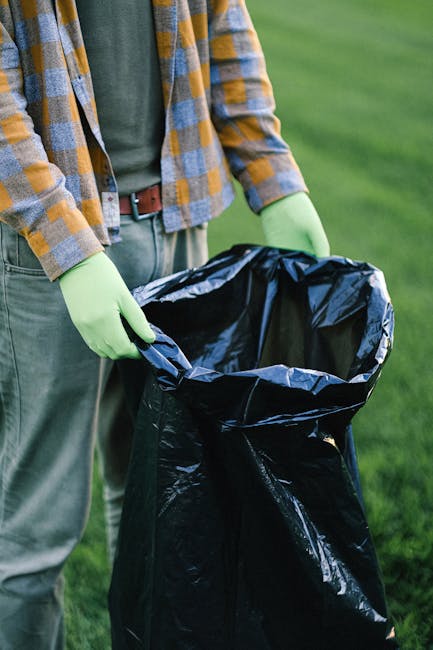
Summer garden clearance tips for rubbish removal services 2026

Summer garden clear-outs sound simple enough until you're staring at a soggy pile of hedge trimmings, broken planters, old decking offcuts, and the odd mystery object that's been hiding behind the shed since last year. That's exactly where Summer garden clearance tips for rubbish removal services 2026 become useful. Whether you're getting your garden ready for family gatherings, reclaiming a neglected space, or trying to keep on top of seasonal waste, a smart clearance plan saves time, reduces stress, and stops small jobs turning into a full-blown weekend disaster.
In practice, good garden clearance is not just about "getting rid of stuff". It's about sorting what can be reused, what should be recycled, what needs careful handling, and what is simply too bulky, messy, or awkward to leave sitting around in the heat. If you've ever tried to drag a half-rotted fence panel through a narrow side return on a warm afternoon, you'll know what I mean. A bit of planning goes a long way.
This guide walks through how summer garden clearance works in real life, what rubbish removal services can do for you, what to watch out for, and how to prepare so the job is quicker, cleaner, and better value. Along the way, we'll cover practical steps, compliance basics, common mistakes, and a realistic checklist you can use before you book.
Table of Contents
- Why summer garden clearance matters
- How summer garden clearance works
- Key benefits and practical advantages
- Who this is for and when it makes sense
- Step-by-step guidance
- Expert tips for better results
- Common mistakes to avoid
- Tools, resources and recommendations
- Law, compliance, standards, and best practice
- Options, methods, and comparison table
- Case study or real-world example
- Practical checklist
- Conclusion
- Frequently asked questions
Why Summer garden clearance tips for rubbish removal services 2026 Matters
Summer is the season when gardens get used properly. Children are out more, guests come round more often, barbecue bits pile up, and green waste grows at a pace that can feel almost rude. A tidy garden is not just a visual win. It affects safety, usability, and how much work you'll face later in the year.
Left too long, a garden clearance job can become harder in several ways. Green waste dries out and becomes dusty. Wet waste can go sour in a heatwave. Old timber starts splitting. Loose bags tear. And if a space is cluttered, it attracts pests or blocks easy access for mowing, pruning, or repairs. Truth be told, the longer you leave it, the less like a quick refresh it feels.
There's also the practical side of removal. Not every garden waste load is simple. Some gardens contain mixed materials: branches, soil, broken outdoor furniture, children's play equipment, metal poles, plastic edging, and the occasional bit of old renovation debris. A professional rubbish removal service is often the easiest way to move mixed loads in one go, especially when you don't want to hire a skip, wait around for permits, or make repeated trips to a tip.
If you're dealing with bigger household projects too, garden clearance often sits alongside other jobs such as general rubbish removal or even garden clearance support when the workload is more than a single afternoon can handle. That wider approach can be especially handy in summer, when a lot of people decide it's finally time to sort the place out properly.
And there's a planning angle many people miss. In 2026, customers are generally more aware of recycling, time efficiency, and responsible disposal than they were a few years ago. So the best garden clearance tip is often not "work harder", but "separate smarter".
How Summer garden clearance tips for rubbish removal services 2026 Works
At its simplest, summer garden clearance with a rubbish removal service follows a fairly straightforward flow: assess, sort, load, remove, and dispose. The trick is in the preparation. If you understand the process before the team arrives, you save time and avoid confusion on the day.
Here's how it usually works.
1. Identify what needs removing
Walk the garden and make a quick inventory. Look for green waste, damaged outdoor items, soil bags, pots, fencing, broken furniture, and old tools. Ask yourself: what is waste, what can be reused, and what should be separated for recycling or donation?
2. Group items by type
This is where the job gets easier. Pile branches together, keep heavy rubble or soil in a separate area, and group bulky objects like benches or parasols so they can be lifted more efficiently. Mixed piles are manageable, but clean sorting often reduces handling time and makes the collection smoother. Small effort, big difference.
3. Make access simple
Rubbish removal teams work much faster when access is clear. Move cars if needed, unlock side gates, and make sure there is a direct path from the garden to the vehicle. If you have fragile paving, narrow steps, or a shared passage, point that out in advance. It sounds obvious, but this is where the awkward moments often start.
4. Load and remove
Most reputable rubbish removal services will load the waste for you, which is one of the main reasons people choose them over DIY disposal. You don't have to lift everything into a skip or make repeated runs. The team does the hard bit, and the job can often be completed in one visit depending on volume and access.
5. Sort for reuse, recycling, and disposal
Good operators aim to divert as much as practical from landfill. That may include separating wood, metal, green waste, and reusable items. It's not magic. It's just responsible waste handling done properly.
If you're already planning broader clear-up work, services like waste clearance or bulk waste collection may be relevant too, particularly where the garden job spills into the garage, shed, or driveway. That happens more often than people expect. Gardens have a habit of expanding their workload.
Key Benefits and Practical Advantages
Choosing a rubbish removal service for summer garden clearance is not just about convenience, although that's a big part of it. There are several real advantages that make the option worthwhile.
- Less manual lifting: Useful if you've got branches, soil bags, or broken outdoor items that are awkward to carry.
- Faster turnaround: Many jobs can be completed in a single visit, depending on the volume of waste.
- No skip sitting outside: Handy if you don't want to block the road, your driveway, or the front of the house.
- Cleaner finish: A proper clearance leaves the space usable straight away, rather than half-finished with bags everywhere.
- Better recycling opportunities: Sorted loads are easier to route towards the right waste streams.
- Less neighbour friction: No long-term skip, fewer odours, and less clutter around the property.
There's also a quiet practical benefit: momentum. Once the garden is clear, you're more likely to maintain it. People notice this all the time. A cleared space makes the next job feel manageable, whether that's replanting beds, pressure-washing slabs, or finally fixing the fence panel that's been leaning a bit too dramatically since spring.
For some homeowners, a garden clearance also connects to wider household projects. If you're refreshing the whole property, it can make sense to combine garden waste with related removal work such as waste removal or rubbish clearance. That way, the house and garden stop competing for your attention.
Who This Is For and When It Makes Sense
Summer garden clearance services suit more people than you might think. The obvious group is homeowners with overflowing gardens, but the need reaches much further.
- Homeowners preparing for summer entertaining: If you want the patio clear before guests arrive, this is a sensible time to act.
- Landlords and letting agents: Gardens often need a quick reset between tenancies or before new photos are taken.
- Families reclaiming outdoor space: Old toys, broken play items, and weathered furniture can build up quickly.
- Older residents or busy professionals: If lifting bags or loading a vehicle isn't practical, a removal service makes life easier.
- People planning landscaping: Clear the old material first, or the new work will just be slowed down by the mess underneath.
It makes sense when the job is bigger than a council bin can handle, too bulky for ordinary collection, or mixed enough that sorting and disposal would become a project in itself. If you have a cluster of items rather than just one bag of hedge cuttings, professional collection often wins on time and effort.
For example, a family in a terraced property might be dealing with a broken shed door, old compost sacks, an unused trampoline frame, and a pile of cuttings after a hedge trim. That's not a "throw it in the wheelie bin" job. It's a proper clear-out.
Step-by-Step Guidance
If you want summer garden clearance to go smoothly, use a simple process. Nothing fancy. Just a sequence that works.
- Survey the whole garden. Don't just look at the obvious pile. Check behind sheds, under hedges, in corners, and along fence lines where rubbish tends to hide.
- Separate green waste from mixed rubbish. Branches, grass, leaves, and hedge cuttings are one thing. Soil, pots, plastic sheeting, and old timber are another.
- Decide what should stay. A summer clear-out is not the same as a purge. Be realistic. If you might use it next month, keep it. If it's been broken since lockdown, probably time to let it go.
- Break down oversized items where safe to do so. Flat-pack what can be flattened. Remove loose screws, collapse empty planters, and untangle garden furniture if possible.
- Check access points. Measure narrow gates, low branches, steps, or basement paths if the waste has to be moved through a tight route.
- Book the right type of service. If the load is mixed or bulky, choose a rubbish removal service rather than assuming a standard council collection will cover it.
- Clear a loading zone. Leave the waste in one neat area if you can. It saves time and reduces the chance of missed items.
- Ask about recycling and disposal. A responsible provider should be able to explain how the waste will be handled in broad terms.
One helpful habit: do a final "five-minute walk-through" the evening before collection. Look with fresh eyes. You will almost always spot one more forgotten chair leg, a bag of clippings, or that box of broken solar lights you'd mentally deleted.
Expert Tips for Better Results
Here's where a bit of experience helps. Summer garden clearance becomes easier when you think like the removal team, not just the person living with the mess.
Keep green waste breathable, not sealed and sweaty
In warm weather, damp garden waste can compact quickly and start smelling unpleasant. If possible, keep cuttings loosely piled or in breathable bags rather than leaving them tightly sealed for days. It makes handling more pleasant for everyone. Nobody wants a bag that feels like it has been marinating.
Separate soil and rubble early
Soil is heavy. Hardcore is heavier. If either is mixed with lighter garden waste, loading becomes slower and the quote can be affected because of weight and disposal requirements. Even a rough separation helps a lot.
Be careful with pressure-treated timber and treated garden sleepers
Some old timber used in gardens can be treated and may need special handling depending on its condition and local disposal routes. Don't assume all wood is the same just because it looks woody. It isn't, annoyingly.
Use the season to your advantage
Summer gives you longer daylight and easier access, but it can also mean hotter working conditions. If you're doing any sorting yourself, start earlier in the day before the heat builds. By late afternoon, everything feels twice as heavy and slightly more irritating than it did at breakfast.
Don't ignore hidden extras
Garden clearances often reveal side jobs: loose bricks, old compost bags, broken pots, bent canes, half-dismantled raised beds, and a strange amount of single socks if a washing line has gone rogue. Deal with these while the main pile is being organised, otherwise they linger forever.
If your garden clear-out is part of a larger home reset, it may be worth looking at home clearance or house clearance alongside the outdoor work. Sometimes the real problem is not the garden itself, but the way junk has drifted outward from the house.
Common Mistakes to Avoid
A lot of garden clearance problems are predictable. The good news is that they're also avoidable.
- Leaving everything in one mixed pile: This slows everything down and can make the collection less efficient.
- Forgetting access: A clear path matters more than most people think, especially with side passages and awkward gates.
- Assuming all garden waste is the same: Green waste, soil, timber, metal, and general rubbish may be handled differently.
- Overfilling bags: Overweight sacks are awkward to lift and more likely to split.
- Leaving collection until the hottest day of the week: It's not ideal. Heat makes everything slower and more tiring.
- Not checking what can be reused: One person's "junk" is another's usable planter, chair, or storage crate.
- Ignoring local parking or access restrictions: In some parts of London, that can turn a simple collection into a logistical headache.
The most common one, honestly, is underestimating volume. Gardens swallow waste in a weird way. A heap looks small until it's actually sorted, bagged, and measured. Then suddenly it's three times what anyone expected.
Tools, Resources and Recommendations
You don't need a shed full of specialist equipment to prepare for a garden clearance, but a few basics make the job far easier.
- Heavy-duty gloves: Helpful for thorny stems, splintered timber, and damp debris.
- Garden sacks or rubble bags: Use the right type for the material. Light cuttings are not the same as soil or broken masonry.
- Secateurs, loppers, or shears: Useful for reducing branch volume if you're pruning first.
- Broom and dustpan: Ideal for patios, paths, and the patch around the bin store.
- Tarp or sheet: Good for keeping a pile together and protecting paths from mess.
- Labelled boxes or tubs: Useful for separating reusable outdoor items from waste.
From a service point of view, it helps to choose a company that is clear about pricing, sorting, and disposal. If you want to understand what shapes a quotation, the page on pricing and quotes is a useful place to start. For people who care about responsible disposal, the site's recycling and sustainability information is also worth reading.
And if you need broader help beyond the garden, services such as bulky waste collection or large item collection may fit the job better than a narrow garden-only service. It depends on what's actually sitting in the space, not just what you hoped was there.
Law, Compliance, Standards, or Best Practice
Garden clearance sounds domestic and simple, but waste still needs to be handled properly. In the UK, good practice starts with the basic principle that waste should be transferred only to a licensed and reputable carrier. That matters because once rubbish leaves your property, you want confidence that it is being dealt with lawfully and responsibly.
A few practical points are worth keeping in mind:
- Duty of care: Householders and businesses should take reasonable steps to make sure waste goes to the right place.
- Waste segregation: Keeping green waste apart from mixed rubbish often improves recycling opportunities and makes the load easier to manage.
- Hazard awareness: Some garden items may be sharp, contaminated, mouldy, treated, or otherwise awkward to handle.
- Parking and access: In London and other busy areas, collection logistics can be affected by access rules, loading restrictions, and tight streets.
Best practice is not about making the process complicated. It's about sensible checks. Ask how the waste will be handled, make sure access is honest and clear, and avoid mixing in materials that need special attention unless the provider has confirmed they can take them. If something seems off, it probably is.
For readers who want a broader understanding of responsible disposal, the related guidance on waste duty of care and licensed waste carriers can be helpful. They explain the general expectations around lawful disposal in plain English.
Options, Methods, or Comparison Table
There are a few ways to clear summer garden waste. The right choice depends on volume, urgency, access, and how much lifting you want to do yourself.
| Method | Best for | Pros | Trade-offs |
|---|---|---|---|
| DIY trips to the tip | Small, manageable loads | Can be low cost if you already have transport | Time-consuming, messy, multiple journeys, lifting involved |
| Skip hire | Longer projects with steady waste output | Good for larger volumes and ongoing work | Space needed, loading yourself, permit considerations may apply |
| Rubbish removal service | Mixed, bulky, or awkward loads | Fast, labour included, convenient for one-off clearances | May be priced by volume or load size, so sorting helps |
| Council collection | Specific items or smaller scheduled pickups | Can be suitable for certain household items | May have limits, waiting times, or item restrictions |
For many summer garden projects, a rubbish removal service hits the sweet spot because it combines speed with labour. You don't have to do the lifting, and you don't have to spend Saturday afternoon wrestling branches into a hatchback. Which, let's be honest, nobody enjoys.
If the project includes household furniture that has been moved into the garden, you may also find furniture removal or furniture clearance useful, especially where outdoor storage has turned into overflow storage. That happens more than people admit.
Case Study or Real-World Example
Imagine a typical London terrace garden in mid-summer. The owner has been trimming a hedge in stages after work, leaving clippings in bags by the shed. There's also a cracked rattan chair, three broken pots, two bags of old compost, a collapsed pergola panel, and some timber offcuts from a raised bed repair. Nothing dramatic on its own. Together, though, it's a decent-sized mess.
They start by separating the green waste from the mixed rubbish. The hedge cuttings go into one area, the heavier timber and broken items into another. Access is checked first because the side return is narrow and the bin store has a gate that only opens one way, which is the sort of small annoyance that matters later. A local rubbish removal service is booked for a morning slot, when the load is dry and easy to move.
On the day, the team removes everything in one visit. The garden is left clear enough for the owner to sweep the patio, set up a table, and actually use the space that weekend. That's the real win. Not perfection. Just usable again.
In our experience, that's what most people want from summer garden clearance: not a showroom finish, just a reset that feels immediate and satisfying.
Practical Checklist
Use this before your collection day. It keeps things calm, and a little calm goes a long way on a warm, busy morning.
- Walk the whole garden and identify every item to be removed.
- Separate green waste, timber, metal, and general rubbish where possible.
- Check for anything reusable before throwing it away.
- Move cars, bikes, plant pots, or obstacles from access routes.
- Make sure gates, side passages, and paths are clear and safe.
- Bundle sharp or splintered items carefully.
- Keep heavier items close together to reduce loading time.
- Note any narrow access, steps, or parking restrictions in advance.
- Ask how the waste will be sorted or disposed of.
- Do a last check for overlooked bags, boxes, and loose debris.
Key takeaway: the better you sort and prepare the garden, the more value you get from the removal service. Simple as that. Not flashy, but true.
Get a free quote today and see how much you can save.
Conclusion
Summer garden clearance does not have to become a drain on your weekend. With a bit of planning, the right sort of waste separation, and a sensible rubbish removal service, you can turn a cluttered outdoor space into something useful again without the usual stress. The main thing is to start with what you actually have, not what you hope the pile will magically become after one bin day.
If you use the tips above, you'll be better prepared, less likely to hit avoidable problems, and far more likely to get a clean result the first time. That's the real aim in 2026: quicker decisions, better sorting, and less faffing about in the heat.
And once the garden is clear, the place just feels better. You can hear the birds again. You can walk across the patio without sidestepping three different hazards. Small thing, maybe. But it matters.
Frequently Asked Questions
What counts as garden waste for rubbish removal?
Garden waste usually includes grass cuttings, leaves, hedge trimmings, branches, soil, dead plants, old compost, and similar outdoor materials. Mixed rubbish such as broken furniture, fencing, pots, or general household waste may also be taken, depending on the service.
Can a rubbish removal service take mixed garden and household waste?
Yes, many can. Mixed loads are common in real-life garden clearances. It helps to mention everything in advance so the provider can plan for the correct vehicle space and disposal route.
Is it better to use a skip or a rubbish removal service for summer garden clearance?
It depends on the job. A skip can suit longer projects with steady waste output, while a rubbish removal service is often better for one-off, bulky, or awkward loads where you want the lifting done for you.
How should I prepare garden waste before collection?
Sort green waste from heavier mixed items where possible, clear access routes, and keep everything in one visible area. If branches can be cut down safely and bulky items can be flattened, that usually helps too.
Do I need to bag all garden waste?
Not necessarily. Some loose green waste can be collected as a pile if access is good, but bagging helps with tidiness and handling. Use sturdy bags and avoid overfilling them, especially with wet cuttings or soil.
Will a rubbish removal company recycle garden waste?
Many aim to recycle or recover as much as practical, especially green waste, wood, and metal. The exact route depends on the material and the provider's disposal process, so it's reasonable to ask.
What garden items are commonly overlooked during clearance?
People often forget broken pots, plant labels, old canes, empty compost bags, hidden timber offcuts, damaged hose reels, and small tools. It's usually the little things that make the space still feel cluttered.
How much notice do I need to book summer garden clearance?
That varies by provider and demand. In busy summer periods, booking ahead is sensible, but some services can offer faster turnaround where schedules allow. If the job is urgent, ask early and be clear about the volume.
Are there any items a garden clearance service might refuse?
Yes. Some services may not take certain hazardous or specially regulated items, or they may need advance notice to handle them correctly. It's best to mention anything unusual rather than leaving it until collection day.
How can I keep garden clearance costs down?
Sort items neatly, separate waste where possible, and make access easy. Quotes are often influenced by volume, weight, labour time, and disposal type, so a well-prepared load usually works in your favour.
What should I ask before booking a garden rubbish removal service?
Ask what materials they can take, how they price the job, whether labour is included, and how they handle recycling and disposal. It also helps to confirm access details so there are no surprises on the day.
Can garden clearance include old outdoor furniture and broken sheds?
Often yes, especially if the service handles bulky waste or mixed clearance jobs. Old chairs, tables, garden storage, and shed materials are commonly removed, though very large structures may need special arrangement.
What is the best time of day for summer garden clearance?
Earlier in the day is usually best. It is cooler, access is easier, and the work tends to feel less tiring. If you are sorting the waste yourself before collection, morning is often the friendliest option.
How do I know if I'm using a responsible waste removal service?
Look for clear information about licensing, disposal, recycling, and pricing. A trustworthy provider should explain the process in plain language and answer questions without hedging or confusion. That peace of mind matters.